
We are proud to announce that NWMS has officially re-launched our Community Oncology Alliance Patient Advocacy Network (CPAN) chapter.
CPAN was first established at NWMS in 2017 by our Director of Quality and Value-Based Care, Abra Kelson. During the COVID-19 pandemic, maintaining the chapter became difficult. However, NWMS recognized the tremendous value CPAN provides to patients and the community and was determined to bring the program back.
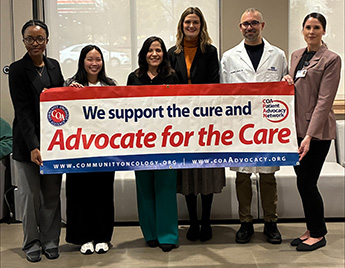
Our relaunch meeting took place at our Puyallup clinic on March 4, 2026.
During the event, remarks were given by Abra Kelson; Dr. Mohammed Kanaan, NWMS Medical Director; Rose Gerber, Director of Patient Advocacy and Education for the Community Oncology Alliance (COA); and Amy Ellis, NWMS CEO.
NWMS oncology social workers Sifa Herady Bandale and Kimberly Ngouv also shared that they will be leading our quarterly CPAN events moving forward. The next event is scheduled for Thursday, May 31.
CPAN and COA
The Community Oncology Patient Advocacy Network (CPAN) is the patient advocacy arm of the Community Oncology Alliance (COA). CPAN’s mission is to strengthen independent community oncology practices and support the patients they serve. The organization emphasizes the vital role community oncology practices play in cancer care and the benefits their patients experience compared to those treated in hospital systems or academic medical centers.
CPAN focuses specifically on policies that directly affect patients and their ability to access timely, appropriate treatment. One example is the strict CMS (Centers for Medicare & Medicaid Services) interpretation of the Stark Law, requiring that certain medications dispensed in a physician’s office be handed directly to the patient. As a result, patients who are feeling too ill to travel cannot send a family member or caregiver to pick up their medication on their behalf, creating an additional burden during an already difficult time.
Another major focus is reforming the prior authorization process. Under current prior authorization requirements, physicians must obtain approval from insurance companies before administering certain treatments. This often leads to delays in care, as providers must spend time appealing or negotiating for coverage of therapies they believe are in their patients’ best interest. Insurers may also require step therapy, sometimes called “fail-first” protocols, in which patients must first try lower-cost treatments before gaining access to the therapy originally prescribed by their physician.
For many patients, the consequences of these policies are deeply personal. Decisions made by individuals far removed from the day-to-day realities of cancer care can significantly impact treatment timelines and patient well-being. CPAN therefore encourages and empowers patients to share their experiences directly with policymakers, ensuring that the voices of those most affected by these policies are heard and considered in efforts to drive meaningful change.
Becoming an Advocate
Rose Gerber highlighted the many ways patients and community members can participate in advocacy. Advocacy can take many forms, including fundraising, research and scientific advancement, healthcare policy engagement, education, and media outreach.
Through CPAN, patients and caregivers receive year-round education about policies and decisions that impact cancer care. By staying informed, patients are empowered to share their experiences directly with policymakers. Ensuring that patient voices are heard remains one of the most powerful ways to influence healthcare policy.
At NWMS, we are committed to advocating for our patients and removing as many barriers to care as possible.
If you are interested in becoming an advocate, please visit:
www.coaadvocacy.org/become-a-cpan-advocate/
“We support the cure and advocate for the care.”